Your Complete Guide to Mobile CT Rental Services
Mobile CT Rental Guide from America's #1 CT Rental Provider - Atlas Medical
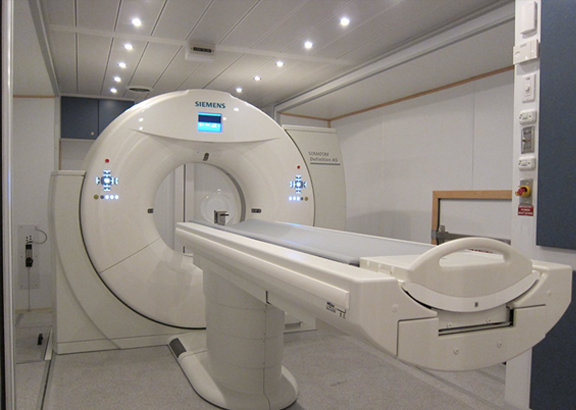
In today's fast-paced healthcare landscape, efficiency is not just an option—it's a necessity. Mobile CT rental services are revolutionizing the way facilities access crucial imaging technology, providing a flexible solution that meets growing patient demands without the burden of heavy capital investment. Whether you're a hospital looking to boost your imaging capabilities or a private practice seeking a cost-effective alternative, mobile CT rentals offer unparalleled convenience and speed.
This comprehensive guide dives deep into the world of mobile CT rental services, exploring the benefits, considerations, and how to unlock the full potential of this innovative solution. Say goodbye to outdated imaging strategies and embrace a future where patient care is streamlined and outcomes are optimized. Ready to discover how mobile CT rental services can transform your practice? Let’s get started!
Benefits of Choosing Mobile CT Rentals
Mobile CT rental services offer a plethora of benefits that can significantly enhance the efficiency and effectiveness of healthcare delivery. One of the most notable advantages is the flexibility they provide. Unlike permanent CT installations, mobile CT units can be moved from one location to another as needed. This is particularly advantageous for healthcare facilities that experience fluctuating patient volumes or those that serve multiple locations. With mobile CT rentals, healthcare providers can ensure that imaging services are always available where and when they are needed most, without the logistical challenges and costs associated with relocating fixed equipment.
Another key benefit of mobile CT rentals is the reduction in capital expenditure. Purchasing a CT scanner is a substantial investment that can strain the financial resources of many healthcare facilities. Mobile CT rentals, on the other hand, allow facilities to access state-of-the-art imaging technology without the upfront costs. This financial flexibility enables healthcare providers to allocate their budgets more effectively, investing in other areas of patient care and facility improvement. Additionally, the rental model includes maintenance and servicing, ensuring that the equipment remains in optimal condition without additional costs to the facility.
Furthermore, mobile CT rentals can significantly reduce downtime and improve patient throughput. In situations where a facility's permanent CT scanner is undergoing maintenance or experiencing technical issues, a mobile CT unit can serve as a temporary replacement, ensuring that imaging services continue uninterrupted. This continuity is crucial in maintaining high standards of patient care and preventing delays in diagnosis and treatment. By minimizing downtime, mobile CT rentals help healthcare facilities operate more efficiently, ultimately leading to better patient outcomes.
How Mobile CT Services Work
The process of utilizing mobile CT services is designed to be as seamless and straightforward as possible. It begins with an assessment of the healthcare facility's specific needs and requirements. This includes evaluating patient volume, types of imaging procedures required, and the physical space available for the mobile unit. Based on this assessment, the rental provider can recommend the most suitable mobile CT unit and create a tailored rental plan that aligns with the facility's operational goals.
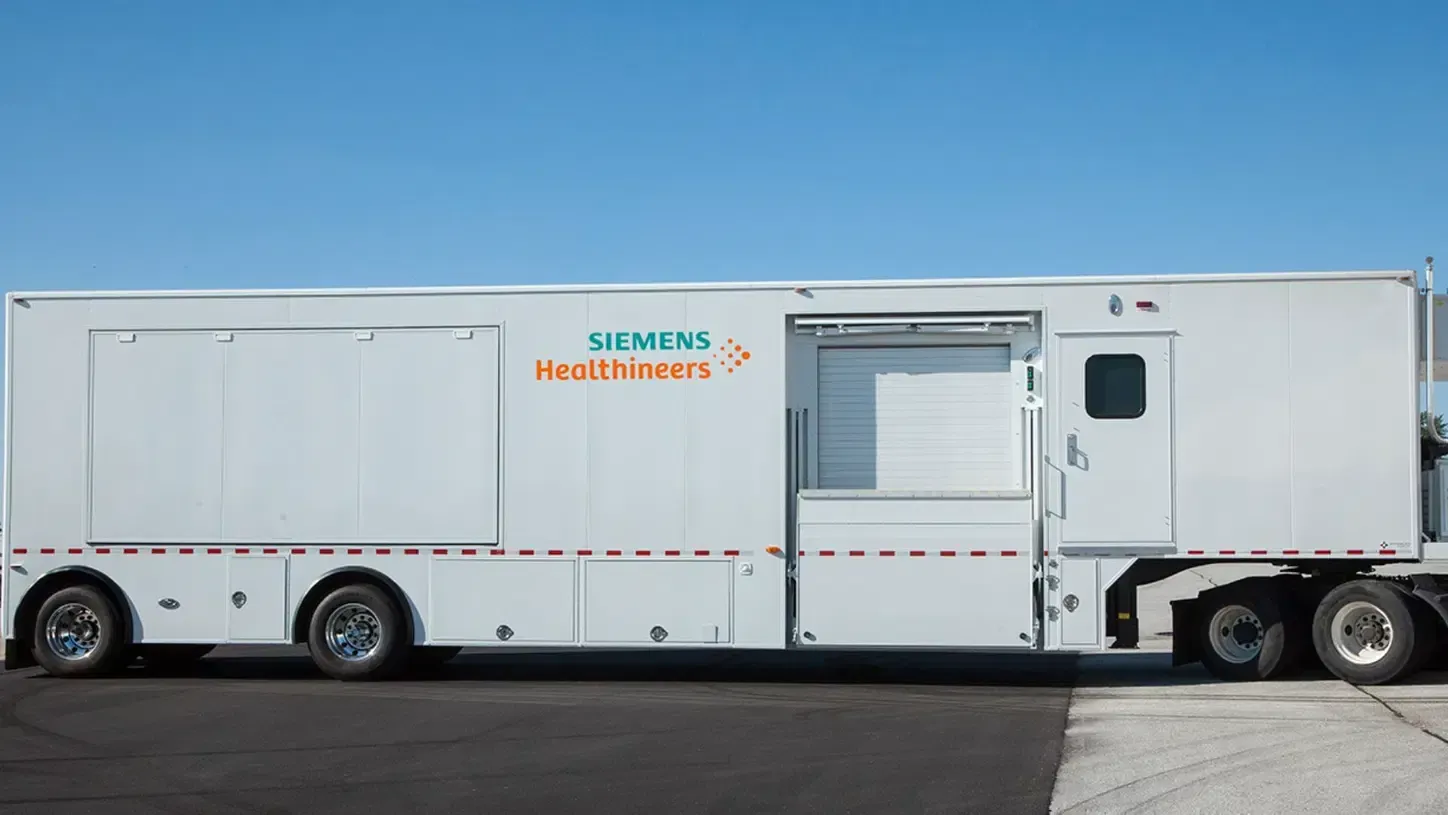
Once the appropriate mobile CT unit has been selected, the provider will handle the logistics of delivery and setup. Mobile CT units are typically housed in specially designed trailers that can be easily transported and positioned at the facility. The setup process includes connecting the unit to the facility's power supply and ensuring that all technical and safety standards are met. The provider's team will also conduct a thorough inspection and calibration of the equipment to ensure it is functioning correctly before it is put into use. This turnkey approach minimizes disruption to the facility's operations and allows healthcare providers to focus on patient care.
After the mobile CT unit is operational, the rental provider offers ongoing support and maintenance services. This includes regular servicing, troubleshooting, and addressing any technical issues that may arise. The provider's technical team is available to ensure that the equipment remains in optimal working condition, allowing healthcare staff to concentrate on their primary responsibilities. In addition, many providers offer training and support to ensure that the facility's staff are fully equipped to operate the mobile CT unit effectively. This comprehensive service model ensures that healthcare facilities can maximize the benefits of mobile CT rentals with minimal hassle.
Key Considerations When Renting Mobile CT Units
When considering the rental of a mobile CT unit, healthcare facilities need to take several important factors into account to ensure they make the most informed and effective decision. One of the primary considerations is the specific imaging needs of the facility. Different medical conditions and diagnostic requirements may necessitate varying levels of imaging capability and technology. It is crucial to evaluate the types of scans that will be performed most frequently and choose a mobile CT unit that offers the appropriate resolution, speed, and features to meet those needs.
Another critical consideration is the duration of the rental. Mobile CT rentals can be arranged for short-term or long-term periods, depending on the facility's requirements. Short-term rentals are ideal for situations such as temporary increases in patient volume, equipment maintenance periods, or special projects. Long-term rentals, on the other hand, can provide a cost-effective solution for facilities that need ongoing access to advanced imaging technology without the commitment of a permanent installation. Understanding the facility's timeline and operational needs will help determine the most suitable rental duration.
The physical space available at the healthcare facility is another important factor to consider. Mobile CT units require adequate space for the trailer and access to essential utilities such as power and internet connectivity. It is essential to conduct a thorough site assessment to ensure that the facility can accommodate the mobile unit and that all logistical requirements are met. Additionally, considerations such as patient accessibility and the proximity to other medical services should be taken into account to ensure a seamless integration of the mobile CT unit into the facility's operations.
Types of Mobile CT Units Available
The market for mobile CT units has evolved to offer a variety of options tailored to different clinical needs and operational requirements. One of the most common types of mobile CT units is the multi-slice CT scanner. These units are capable of capturing multiple cross-sectional images in a single rotation, providing detailed and high-resolution images of the body's internal structures. Multi-slice CT scanners are ideal for a wide range of diagnostic applications, including trauma assessment, oncology, and cardiovascular imaging. Their versatility makes them a popular choice for healthcare facilities seeking a comprehensive imaging solution.
Another type of mobile CT unit is the cone beam CT scanner, which is often used in dental and maxillofacial imaging. Cone beam CT scanners use a cone-shaped X-ray beam to produce three-dimensional images of the teeth, jaw, and surrounding structures. These scanners offer high-resolution imaging with lower radiation doses compared to traditional CT scanners, making them a preferred choice for specialized dental practices and oral surgery centers. The portability of cone beam CT units allows dental professionals to offer advanced imaging services without the need for permanent installations.
In addition to multi-slice and cone beam CT scanners, there are also specialized mobile CT units designed for specific clinical applications. For example, some mobile CT units are equipped with advanced software and hardware for neuroimaging, providing detailed images of the brain and spinal cord. These units are particularly valuable for facilities that specialize in neurology and neurosurgery. Other specialized mobile CT units may be designed for cardiovascular imaging, offering high-speed scanning and advanced image processing capabilities to assess heart and vascular conditions. By understanding the specific imaging needs of their practice, healthcare providers can select the mobile CT unit that best aligns with their clinical objectives.
Cost Factors for Mobile CT Rentals
The cost of renting a mobile CT unit can vary widely based on several factors, and understanding these cost drivers is essential for healthcare facilities to budget effectively. One of the primary cost factors is the type of CT scanner being rented. High-end, multi-slice CT scanners with advanced imaging capabilities typically command higher rental fees compared to more basic models. The level of technology, resolution, and additional features such as software packages and imaging enhancements all contribute to the overall rental cost.
Another significant cost factor is the duration of the rental agreement. Short-term rentals, such as those needed for a few days or weeks, may have higher daily rates compared to long-term rentals. However, long-term rentals often come with the benefit of discounted rates and more favorable financial terms. Healthcare facilities should consider their projected usage and operational needs when determining the optimal rental period. Additionally, it is important to factor in any potential costs associated with extending the rental period if the need arises.
Logistical and operational expenses also play a role in the overall cost of mobile CT rentals. These expenses can include transportation and delivery fees, setup and installation costs, and any necessary modifications to the facility to accommodate the mobile unit. Maintenance and servicing fees are typically included in the rental agreement, but it is essential to clarify the terms and ensure there are no hidden costs. By thoroughly understanding all associated expenses and negotiating favorable terms, healthcare facilities can manage their budgets more effectively and maximize the value of their mobile CT rental.
Choosing the Right Provider for Mobile CT Rentals
Selecting the right provider for mobile CT rentals is a crucial decision that can significantly impact the success and efficiency of the imaging services. One of the most important factors to consider is the provider's reputation and track record in the industry. A provider with a proven history of delivering reliable and high-quality mobile CT units will give healthcare facilities confidence in their decision. Reading reviews, seeking recommendations from peers, and evaluating case studies can provide valuable insights into the provider's performance and customer satisfaction.
Another critical aspect to consider is the range of services offered by the provider. A comprehensive service package that includes delivery, setup, maintenance, and technical support is essential for ensuring a smooth and hassle-free rental experience. Providers that offer training and education for healthcare staff can also add significant value, ensuring that the facility's team is well-equipped to operate the mobile CT unit effectively. It is important to assess the provider's responsiveness and availability to address any issues that may arise during the rental period, as timely support is crucial for maintaining operational efficiency.
Finally, healthcare facilities should consider the flexibility and customization options offered by the provider. Different facilities have unique needs and operational circumstances, and a one-size-fits-all approach may not be suitable. Providers that offer tailored rental plans and the ability to customize the features and capabilities of the mobile CT unit can better meet the specific requirements of the facility. By working with a provider that understands and accommodates the facility's needs, healthcare providers can ensure a more successful and beneficial rental experience.
Case Studies: Successful Use of Mobile CT Services
Real-world case studies provide valuable insights into the practical applications and benefits of mobile CT rental services. One notable example is a community hospital that experienced a sudden increase in patient volume due to a local health crisis. The hospital's existing imaging facilities were overwhelmed, leading to extended wait times and delayed diagnoses. By renting a mobile CT unit, the hospital was able to quickly expand its imaging capacity and reduce wait times significantly. The mobile unit provided high-quality imaging services and allowed the hospital to maintain its standards of care during a critical period.
In another case, a private radiology practice sought to offer advanced imaging services without the financial burden of purchasing new equipment. The practice opted for a long-term rental of a multi-slice mobile CT unit, which enabled them to provide a broader range of diagnostic services to their patients. The rental agreement included regular maintenance and technical support, ensuring that the equipment remained in optimal condition. As a result, the practice was able to enhance its service offerings, attract more patients, and improve overall patient satisfaction without a significant capital investment.
A third example involves a rural healthcare facility that struggled to provide access to advanced imaging technology due to its remote location. The facility partnered with a mobile CT rental provider to bring state-of-the-art imaging services to the community. The mobile unit was set up on-site and integrated seamlessly into the facility's operations. This initiative not only improved access to diagnostic services for the local population but also reduced the need for patients to travel long distances for imaging procedures. The success of this project demonstrated the potential of mobile CT rentals to bridge gaps in healthcare access and improve patient outcomes in underserved areas.
Future Trends in Mobile CT Technology
The field of mobile CT technology is continuously evolving, with advancements that promise to further enhance the capabilities and efficiency of these units. One of the most exciting trends is the development of artificial intelligence (AI) and machine learning algorithms that can be integrated into mobile CT scanners. These technologies have the potential to significantly improve image quality, reduce scanning times, and assist in the interpretation of complex imaging data. AI-driven enhancements can lead to more accurate and timely diagnoses, ultimately improving patient outcomes and streamlining the workflow for healthcare providers.
Another emerging trend is the miniaturization and portability of CT scanners. Advances in engineering and materials science are leading to the development of more compact and lightweight mobile CT units that are easier to transport and set up. These next-generation units will be particularly beneficial for remote and underserved areas, where access to advanced imaging technology is limited. The increased portability will also enable greater flexibility in deploying mobile CT units for specific projects or temporary needs, further enhancing their utility and value.
The integration of mobile CT units with telemedicine platforms is also gaining traction. This trend allows for the remote interpretation of imaging data by specialists who may not be physically present at the healthcare facility. By leveraging telemedicine, healthcare providers can access expert opinions and collaborate on complex cases, regardless of geographical constraints. This capability is especially valuable in rural or underserved areas, where access to specialized medical expertise is limited. The combination of mobile CT technology and telemedicine is poised to revolutionize the delivery of diagnostic imaging services, making them more accessible and efficient than ever before.
Conclusion and Final Thoughts on Mobile CT Rentals
Mobile CT rental services represent a transformative solution for healthcare facilities seeking to optimize their imaging capabilities without the burden of significant capital investment. The flexibility, cost-effectiveness, and operational efficiency offered by mobile CT rentals make them an attractive option for a wide range of healthcare providers. From hospitals and radiology practices to rural clinics and dental offices, mobile CT units can be tailored to meet the specific needs and demands of each facility, ensuring that patients receive timely and accurate diagnostic imaging services.
As the healthcare landscape continues to evolve, the importance of adaptability and innovation cannot be overstated. Mobile CT rentals provide a practical and forward-thinking approach to addressing the challenges of fluctuating patient volumes, technological advancements, and resource allocation. By embracing this innovative solution, healthcare facilities can enhance their service offerings, improve patient outcomes, and stay ahead in a competitive and dynamic industry.
In conclusion, mobile CT rental services unlock a new level of efficiency and convenience for healthcare providers. With the right provider, a clear understanding of the facility's needs, and a commitment to leveraging the latest technological advancements, mobile CT rentals can transform the way imaging services are delivered. As we look to the future, the integration of AI, enhanced portability, and telemedicine will further elevate the impact of mobile CT technology, making it an indispensable tool in the quest for better healthcare.
Rent a Mobile CT from Atlas Medical
Send us a message below! Let us know a few basic details of your project (preferred system, timeline, etc.) and we'll have a project manager contact you.
“No, we’re not changing the world. But we help the healthcare providers that are.”

Sean Schneider
Mobile Project Manager · Atlas Medical
About the Author
Say hello to Sean Schneider - our Mobile Project Manager at Atlas Medical. Sean has worked in the medical imaging industry for over 20 years, including 10 years with Atlas Medical.
Sean has a knack for making complicated projects simple to understand. Around here, Sean's the man who keeps things moving smoothly.
When Sean isn't helping launch our mobile imaging units at new sites he enjoys spending time with his family, golf, and hockey.
Request a Mobile Imaging Solution
Our Services Include: